Must-See 25 Things to Do in Budapest: The Secrets Only Locals Know
Budapest is a beautiful city divided by the Danube or Duna River.
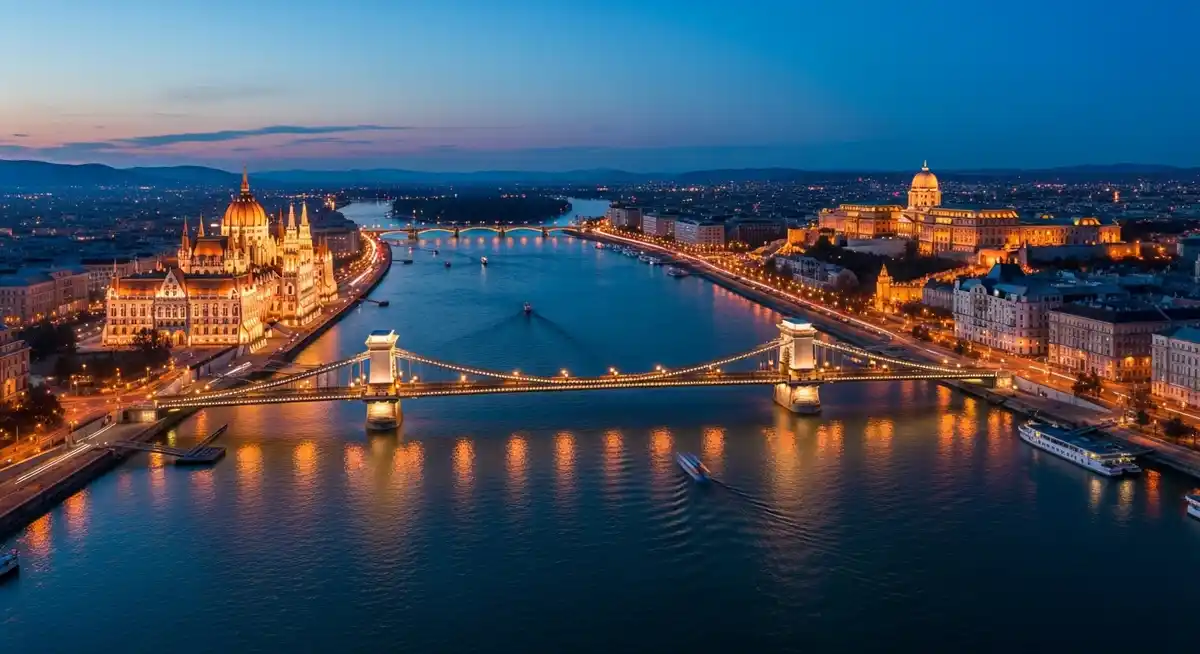
Walking across the Chain Bridge, you can admire the architecture, illuminated bridges, and historic charm.
The cobbled streets lead to interesting landmarks, historic sites, and vibrant neighborhoods.
The city is perfect for food lovers. Enjoy gastronomy, restaurants, amazing dishes, and traditional Hungarian delicacies.
Ruin bars add a unique twist to nightlife, while mom and pop stores give local flavor.
Exploring cultural activities and trying food and drink is a fun way to experience Budapest.
History and culture are everywhere. The city reflects its rich past with Soviet occupation, Ottoman invasions, and the influence of Hapsburgs and Communists.
Walking through historic thermal baths or historic streets lets you feel the historic depth and fairytale charm of Budapest.
Sightseeing is easy and enjoyable. You can visit unique attractions, gorgeous historical sites, and famous bridges.
Exploring charming streets, discovering hidden beauty, and enjoying extraordinary experiences make each visit unforgettable.
Budapest also offers great nightlife and lively neighborhoods. There is a perfect balance between historic parts and modern fun.
Every traveler, from tourists to European travelers, can find memorable experiences, favorite things, and travel highlights in this remarkable city.
Why Visit Budapest?
Budapest is a beautiful city that invites you to explore its grand historical sites and historic sights.
Walking through the streets, you can feel its vibrant culture and see amazing cultural sights.
The Danube River adds charm with its natural scenery, and the stunning architecture around the city makes every corner picture-perfect.
Visitors often enjoy relaxing in the unique thermal baths, tasting high-quality food and local wine, or enjoying the lively nightlife.
The city offers a perfect mix of affordable experiences and special moments, giving travellers countless reasons to include Budapest in their travel plans.
Experiencing it in person truly shows why Budapest is a city worth exploring.
Top 25 Best Things to Do in Budapest (All-Time Classics)
1. Admire the Hungarian Parliament Building – inside & outside tours
The Hungarian Parliament Building in Budapest is one of Europe’s most beautiful landmarks.

Its neo-Gothic and Neo-Renaissance architecture makes it a true masterpiece.
Sitting beside the Danube River near Kossuth Lajos Square, the building’s grandeur and golden glow in the evening are simply breathtaking.
Many travelers enjoy a Danube cruise or a walk around Bem rakpart, Batthyány Square, and the east bank, where the facade shines like a postcard superstar.
Inside, guided tours reveal the building’s rich history and royal architecture.
Visitors can admire the Grand Stairway, Dome Hall, and the Holy Crown of Hungary, surrounded by frescoes, stained-glass windows, granite columns, and statues of rulers.
Designed by architect Imre Steindl in the 1800s and completed in 1904, this working Parliament still hosts official events in rooms filled with magnificence and heritage.
Tours last about an hour and are available in many languages through audio guides.
It’s best to book tickets in advance on the official website, as it’s one of the most popular attractions in Budapest.
EU citizens get a discount, children under six go free, and families enjoy excellent accessibility with strollers and baby changing facilities.
Tickets are priced in HUF and euro, making it easy for both EEA and non-EEA citizens to visit.
Outside, you can stroll through the surrounding square or visit nearby memorials such as the Shoes on the Danube, a peaceful reminder of history.
From Buda Castle, you’ll find the best panoramic views, especially at night when the building is illuminated.
Whether you’re here for sightseeing, photography, or simply to enjoy Budapest’s grandeur, the Parliament offers a perfect blend of culture, art, and royal beauty that defines Hungary’s magnificence.
2. Relax at the Szechenyi Thermal Baths
The Szechenyi Baths in Budapest are a true gem of Europe.
Known for their healing thermal springs, these world-famous baths were built in 1913 and still shine as one of the city’s most majestic attractions.
Inside the ornate complex, you’ll find a mix of indoor and outdoor pools, saunas, and steam rooms that create a perfect place to relax and enjoy pure wellness.
The warm mineral water, fed by natural springs, feels soothing as you soak in the healing pools.
The beautiful pastel yellow building, with its elegant architectural elements, gives a timeless charm to your spa experience.
Visitors can enjoy rooftop areas, take a swim in the heated pools, and unwind in an awe-inspiring setting.
You can also explore other lovely Budapest spas, like Rudas Baths and Gellert Baths, each offering unique amenities such as rooftop hot tubs or even a beer spa.
Whether you’re a solo traveler or with friends, spending a day here is one of the best choices you can plan.
With towels, flip flops, and lockers ready, this beautiful complex promises a memorable and enjoyable experience full of warmth, calm, and comfort.
3. Visit Buda Castle & the Castle District
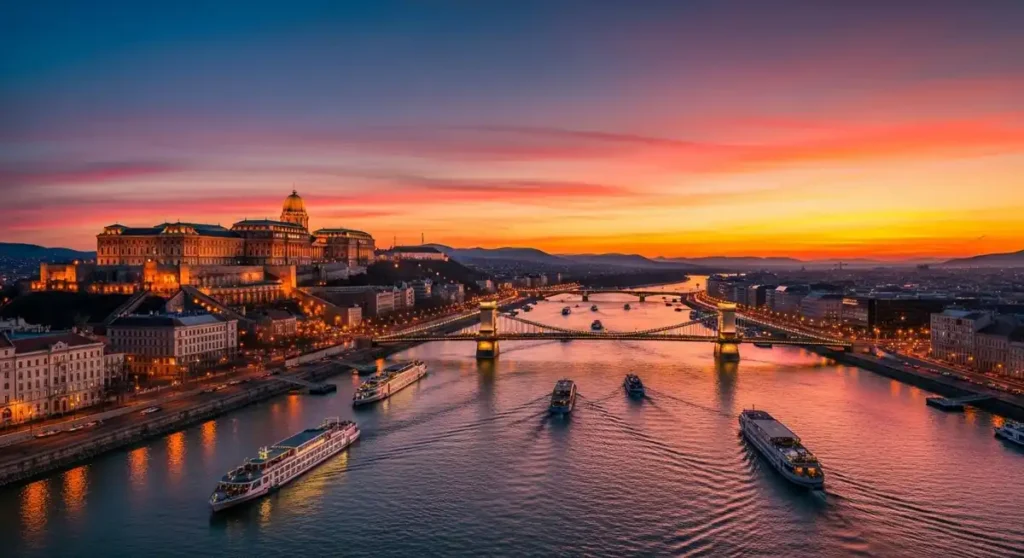
The Buda Castle and Castle District sit high above the Danube, offering some of the best views of Budapest.
The area is full of landmarks, including the Royal Palace, Matthias Church, and Fisherman’s Bastion.
The Royal Palace grounds now hold the Hungarian National Gallery and museums that display both classic and temporary exhibitions. Every corner tells a story of Hungary’s royal past.
As you walk through the cobblestone streets of the district, you’ll see elegant Gothic architecture, cozy cafés, and local life.
A stop at Ruszwurm confectionery, Hungary’s oldest sweet shop, adds a touch of tradition to your visit.
For something unique, the Hospital in the Rock Nuclear Bunker Museum offers an educational glimpse into history, complete with detailed wax figures and real medical equipment once used in a functioning hospital.
For great views, take a ride on the vintage funicular railway or Buda Hill Funicular.
The short ride connects the riverfront near the Chain Bridge to the castle above.
You can also reach it easily by bus 16, a scenic hike, or a relaxed tour around the palace courtyards.
Whether at sunset or night, the Fisherman’s Bastion and Royal Palace glow beautifully against Pest’s skyline, making this historic district a perfect mix of culture, art, and charm.
4. Take panoramic photos from Fisherman’s Bastion
Standing on the terraces of Fisherman’s Bastion, you’ll see Budapest spread out like a postcard.
The Neo-Romanesque architecture, with its tall towers and elegant arcades, creates a perfect frame for your photography.
From the upper levels, the Parliament building shines across the Danube River, making every photo a beautiful memory.
The best time to take panoramic photos is at sunrise or sunset.
The warm light of the golden hour gives a magical atmosphere, turning the cityscape into a soft painting.
During these moments, the skyline glows, and you can capture the best views without large crowds.
If you love travel photography, explore the free areas and viewpoints around the bastion walls.
Adjust your camera, set the right focus, and enjoy the perspective view from above.
The lighting here is ideal, especially when the sun is shining on the Pest side.
This heritage site, also known as Halászbástya, stands beside Matthias Church and close to Buda Castle.
It’s a famous landmark that celebrates Budapest’s history and culture.
Every angle offers something new to capture, whether it’s the arches, towers, or the scenic river below.
End your visit with a slow walk along the castle hill, enjoying the picturesque views of the city.
If it’s winter, hold a warm cup of mulled wine and simply admire the incredible panoramic view that makes Fisherman’s Bastion one of the most iconic spots in Budapest for destination photography.
5. Cross the iconic Chain Bridge at sunset
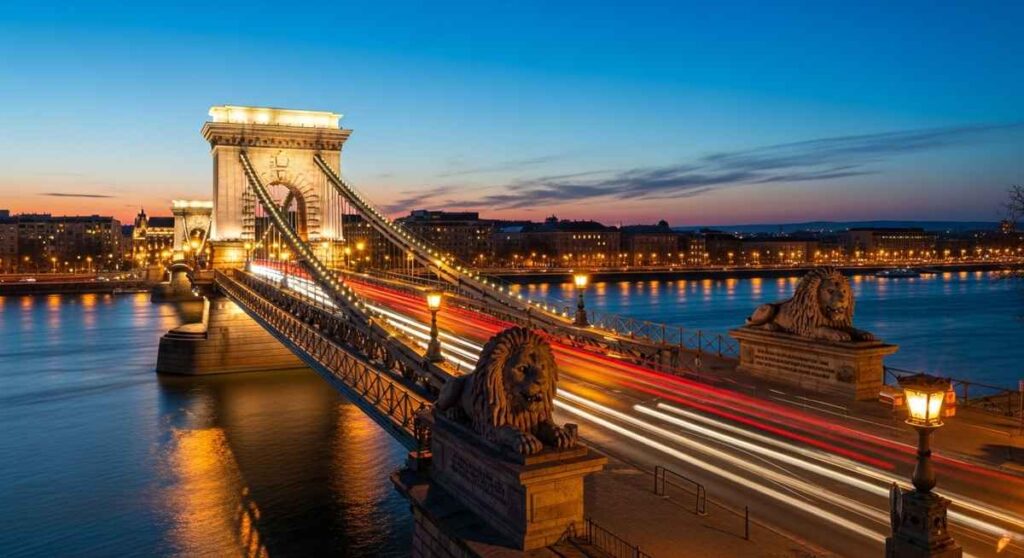
At sunset, the Széchenyi Chain Bridge glows with golden light, reflecting beautifully on the Danube River.
The air feels calm as the city begins to sparkle, and the silhouettes of landmarks like Buda Castle appear against the soft sky.
It’s an iconic experience and a must-see for anyone in Budapest.
A peaceful walk along the riverbank lets you truly admire this architectural marvel.
The bridge connects Buda and Pest, symbolizing the unity and resilience of the Hungarian capital.
You can capture beautiful photos underneath, or take a cruise to see its majestic structure spanning the river.
Standing at the heart of Budapest, this historic suspension bridge reflects both architectural elegance and human ingenuity.
Its historical significance and modern charm come together where geographically and culturally distinct districts meet.
The Chain Bridge is more than a crossing—it’s a living emblem of connection, beauty, and pride in the Hungarian capital.
6. Marvel at St. Stephen’s Basilica and rooftop views
In the heart of Budapest, Hungary, stands the neoclassical masterpiece, St. Stephen’s Basilica—a religious landmark filled with art, mosaics, and marble columns that tell stories of faith and history.
Inside, the Holy Right Hand of King Stephen, the first King of Hungary, rests in a glass case, making the chapel a place of deep cultural and spiritual importance.
The interior shines with gold leaf detailing, frescoes, and ornate architecture, making it one of the largest churches and a true treasury of Hungarian heritage.
Visitors can access the dome by elevator or by climbing steps through a spiral staircase leading to the terrace.
From the observation deck, the panoramic views of Budapest’s skyline are simply breathtaking, especially during the golden hour when the light paints the city in warm tones.
The view stretches across the Parliament, Chain Bridge, and Fisherman’s Bastion, offering a birds’ eye look at the beauty of rooftops and the Danube River below.
A ticket or combination ticket in Forints allows visitors to enjoy the cathedral, treasury, and lookout together.
Whether you go up for the fresh air or to take in the artworks from above, the Basilica remains one of Budapest’s most stunning and peaceful places to visit—a true masterpiece that celebrates both faith and artistry.
7. Discover the poignant Shoes on the Danube Bank memorial

The Shoes on the Danube Bank, or Cipők a Duna-parton, is a meaningful memorial in Budapest, Hungary.
Designed by film director Can Togay and sculptor Gyula Pauer, it shows pairs of bronze shoes placed carefully on the river bank of the Danube River.
This public art monument was created to remember the victims of the Second World War (WWII), connecting deeply to Budapest’s heritage and history.
The story behind it comes from a time when the Arrow Cross Party, a fascist Hungarian militia, controlled the city.
During that dark history, many Jews were forced to remove their shoes before they were shot by Arrow Cross Militiamen near the banks of the river.
Their bodies fell into the water, leaving their shoes behind.
Today, this haunting yet poignant monument helps people understand what happened without showing harm—it simply shares the memory with respect and peace.
As you visit, you’ll see how the Danube shines beside the memorial, and how it draws thousands of visitors who leave kind reviews.
The monument stands not only as a sign of remembrance but also as a message against the Nazi regime, anti-Semitic acts, and the massacre that shaped part of Hungary’s past.
It reminds everyone that concentration camps and wars should never happen again.
The Shoes on the Danube Bank remains one of Budapest’s most thoughtful attractions, where history, peace, and reflection come together.
8. Stroll along Andrássy Avenue to Heroes’ Square
Walking from Erzsébet Square (Elizabeth Square) to Heroes’ Square along Andrássy Avenue feels like exploring a living postcard of Budapest.
The wide, tree-lined street is lined with stylish shops, charming cafes, and graceful buildings that make every step enjoyable.
Often compared to Paris’s Champs-Élysées, this famous avenue blends elegance and culture perfectly.
As you pass landmarks like the Hungarian State Opera House, the Opera Theater, and fascinating museums and exhibition halls, you’ll see why it’s called one of Budapest’s cultural hubs.
The beautiful architecture, from grand palaces and cozy villas to leafy gardens, tells stories of the city’s creative spirit.
The Oktogon at the Grand Boulevard (Nagykörút) and Kodály körönd are wonderful spots to pause and take in the view.
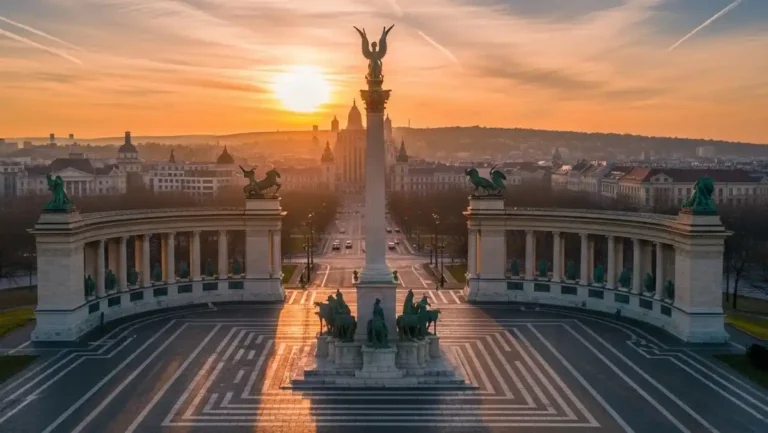
Near the end, the avenue opens up to Heroes’ Square, home to the majestic Millennium Monument and statues of Hungary’s great leaders.
Just beyond lies City Park (Városliget), where you can relax at the Széchenyi Thermal Baths, visit the zoo, or explore more of the city’s charm.
Nearby, the St. Stephen’s Basilica rises beautifully in the city centre.
Along the way, stop by unique places like the Japanese Café (now a bookshop), Jókai Square, and Liszt Square, home to the Academy of Music.
The historic Hotel Britannia, now the Radisson Blu Béke Hotel Budapest, and the elegant Zsolnay Café with its colorful mosaics, art déco design, and glowing glass dome add a touch of timeless beauty.
Every step along Andrássy Avenue to Heroes’ Square celebrates the art, culture, and charm that make Budapest unforgettable.
9. Unwind in City Park (Városliget)

In the heart of Budapest, City Park (Városliget) offers a peaceful escape filled with natural beauty and recreational activities.
The park is easy to reach by the M1 Millennium underground line, stopping at Hősök tere or Széchenyi Fürdő.
At Heroes’ Square, tall statues of Hungarian leaders tell stories of Budapest’s rich history and Hungarian history, welcoming visitors with a grand sense of culture.
Walking through the park, you’ll discover quiet corners, romantic spots, and scenic walking paths surrounded by trees.
The stunning Vajdahunyad Castle showcases centuries of architecture and stands beside the peaceful Városligeti Lake, where you can enjoy a rowboat ride or watch the reflection of the castle on the water.
During winter, the lake becomes an enchanting ice rink—a favorite for families and friends.
The House of Music Hungary brings a touch of creativity with its modern design and joyful music, while the Budapest Zoo and botanical garden invite everyone to explore nature and wildlife.
For pure relaxation, the Széchenyi Thermal Bath is unmatched, with its warm outdoor pools and cozy indoor pools inside a beautiful bathhouse.
From a bird’s-eye view, the park glows as a true verdant oasis in district XIII, offering a tranquil respite and a family-friendly adventure for every visitor.
10. Experience Budapest’s ruin bars (Szimpla Kert & others)
Budapest’s ruin bars are hidden gems in the Jewish Quarter, where old buildings have been turned into lively pubs.
Szimpla Kert leads the way as a pioneer, offering a multi-level maze of rooms, courtyards, and unique spaces decorated with vintage furniture, antiques, graffiti, and art.
The bohemian vibe is enhanced with live music, cultural events, and occasional farmers’ markets, making every visit memorable.
Other popular spots include Instant-Fogas, a complex with floors, clubs, and diverse themes, and Mazel Tov, which adds an upscale twist while keeping the laid-back atmosphere.
The folk, mostly young, hip, and artsy, love to mingle and enjoy cocktails together. Everyone is treated equally, making the bars perfect community hubs.
These spaces started in the early 2000s when enterprising individuals transformed courtyards and buildings into romkocsma, creating vibrant community-orientated pubs.
Today, they remain some of the coolest settings in Budapest, full of colour, style, and liberal bliss.
Whether you want cheap beer, a quiet underground corner, or a mainstream nightlife phenomenon, ruin bars offer a one-of-a-kind experience.
11. Visit The Great Market Hall for food and souvenirs
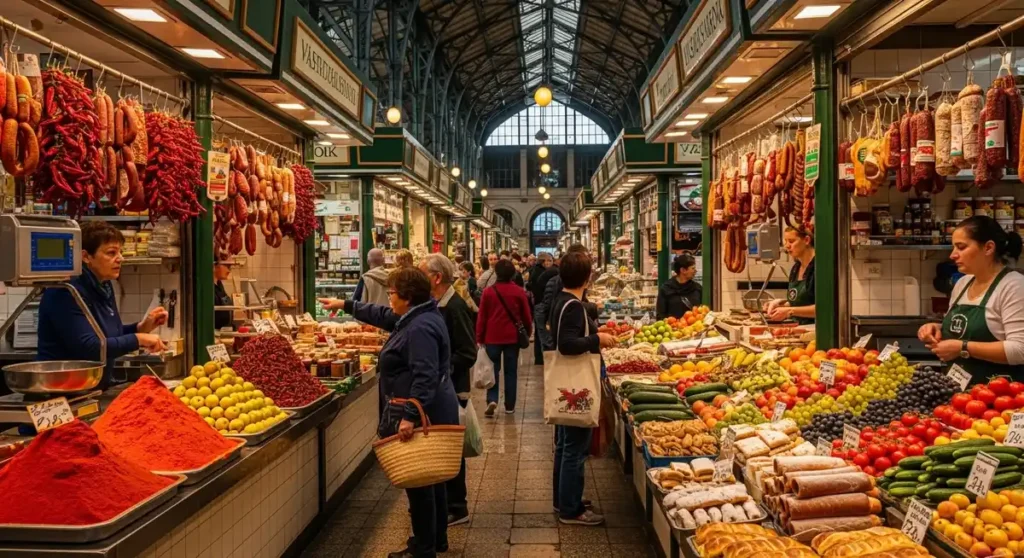
Must visit the Great Market Hall for food and souvenirs in Budapest for an amazing experience.
It is the oldest and largest indoor market in Hungary, built in 1897. The Central Pest Szabadság Bridge is nearby.
You can enjoy shopping and sightseeing while taking a stroll in any weather.
The hall is loved by tourists and locals, perfect for finding everyday treats.
The lower floor has stalls and vendors selling fresh fruit, veg, meat, fish, and bread.
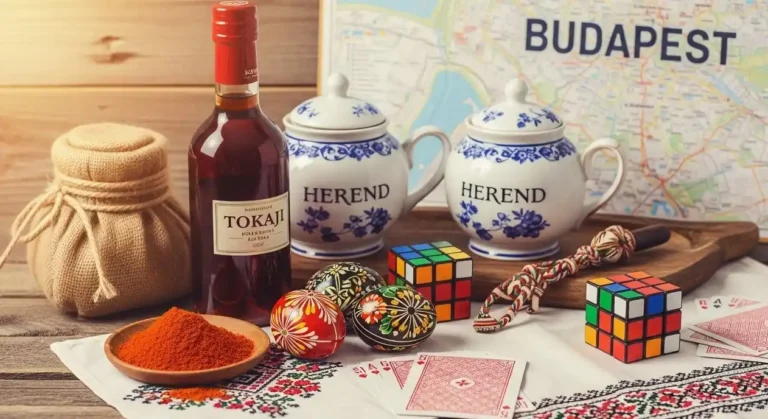
Explore an array of stores with Hungarian exports like paprika, Tokaji wine, salami, and spirits. Everything is colourful, bustling, and fun to explore.
On the upper level, discover tourist-themed stores with Hungarian textiles, handicrafts, and unique souvenirs.
Try street food restaurants offering classics like langoś, pörkölt, and goulash. There are stands to eat and enjoy the views of the Danube.
Smaller authentic markets like Rákóczi, Klauzal Ter, Hunyadi Square, and Hold Street Market add to the cultural experience.
The Vámház krt location is easy to reach with free entry.
The Neogothic hall has beautiful light through windows, creating a perfect setting for lunch, local wines, gifts, and snacks.
Enjoy a tasting menu at Fakanál Étterem, a canteen-style buffet with a homely atmosphere and live music.
Share traditional dishes in full portions, and savor craft beer.
This literal foodie heaven offers a selection of flavors that everyone can enjoy.
It’s a perfect experience for friends, family, and tourists seeking food and souvenirs.
12. Enjoy coffee & cake at the New York Café
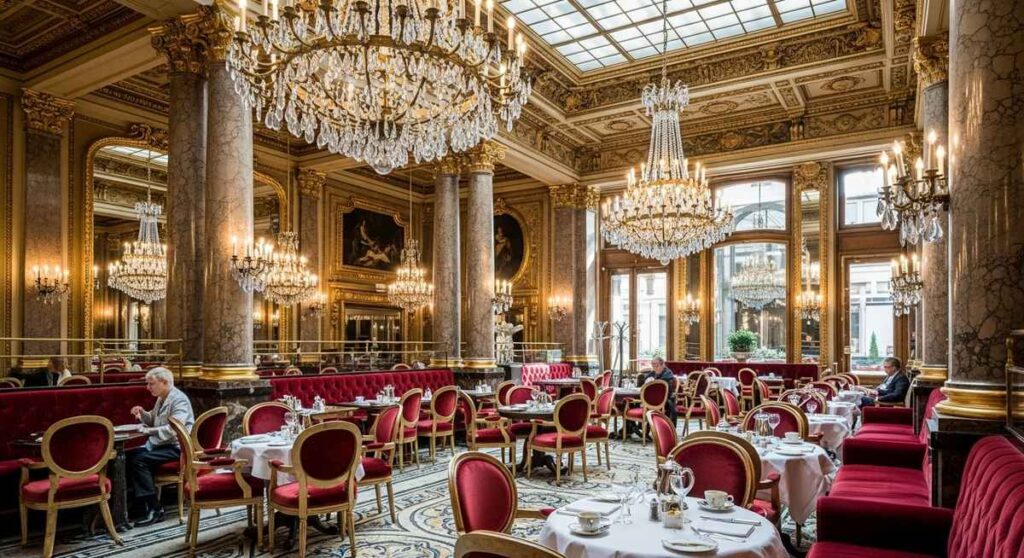
The New York Café in Budapest is one of the most beautiful coffeehouses in the world.
It’s a historic, luxurious café that shines with Neo-Renaissance architecture, marble columns, glowing chandeliers, and painted frescoes.
The gilded details and crimson accents make it a true famous attraction for anyone who loves elegance and charm.
Inside, the ambience is warm and full of life.
Gentle live Gypsy music and Hungarian music fill the air as tourists, writers, and poets enjoy their coffee, tea, or a small snack.
You can book a table online to enjoy the menu of sweet and savory dishes—from decadent cakes like the caramel Dobos torte and layered chocolate cake to a cup of rich hot chocolate that’s simply worth every sip.
The café celebrates a timeless coffee-drinking culture that has lasted for centuries.
Inspired by Vienna’s grand culture, it remains a place for visitors to relax and feel part of an old-world setting.
The buffet brunch is delightful, with pastries, bread, fruits, herbal teas, orange juice, poached eggs, eggs benedict, and American-style pancakes—a truly fabulous experience for every guest.
Nearby, other coffee houses like Gerbeaud, Hadik, Centrál, Zsivágó, and Muvész Coffee House add to Budapest’s rich café culture.
Whether it’s morning breakfast or an elegant evening treat, the New York Café offers an extravagant, beautiful, and unforgettable experience along Erzsébet ut., where every cup of coffee feels like a moment in history.
13. Explore the Hungarian National Museum
The Hungarian National Museum, also known as the Magyar Nemzeti Múzeum, stands proudly in Budapest as one of the most treasured landmarks in Hungary.
This neoclassical masterpiece reflects the country’s identity and national heritage, with elegant grand halls and stunning Roman mosaics that bring history to life.
Visitors can explore prehistoric artifacts, shining medieval treasures, and inspiring exhibits about the Ottoman occupation and 1956 Revolution.
Walking through the museum feels like a journey across time.
The vision of Count Ferenc Széchényi, who donated his private collection in 1802, began a story that shaped a whole institution.
Later, in 1847, the collection found its home in the neoclassical building designed by gifted artists.
The museum’s past is filled with powerful moments, including the Hungarian Revolution of 1848, when Sándor Petőfi’s voice inspired many.
Over the centuries, the museum’s collections expanded, giving rise to the Museum of Applied Arts in 1872 and the Museum of Fine Arts in 1896.
It has undergone careful renovations in 1926-27, 1996, and 2006, adding new exhibition spaces like the Roman Lapidarium.
Today, history lovers, families, and travellers come to discover the soul of the nation within its timeless walls.
14. Visit Gellért Hill & Citadella for the best viewpoint
Climbing Gellért Hill is one of the most beautiful experiences in Budapest.
As you walk up the hilltop, the air feels fresh, and the views open wide over the Danube.
The bridges, Parliament Building, and Buda Castle all shine in the soft light of sunrise or sunset.
The panoramic views from the summit are perfect for pictures and quiet moments surrounded by nature.
At the top, the Citadella stands as a proud fortress overlooking the city.
The Statue of Liberty (also called the Liberty Statue) celebrates Hungary’s liberation and stands as a strong landmark in the capital.
Visitors can walk around the Citadel fortress, enjoy the wide panorama, and feel part of a UNESCO World Heritage Site filled with history and beauty.
Exploring further, you’ll find peaceful places like the Cave Church, St. Gellért Falls, and the Garden of Philosophers, where statues of Buddha, Gandhi, and Jesus rest under shady trees.
The Lookout Stone tells the story of Prince Buda and Princess Pest, adding a touch of legend.
After your walk, stop for lunch, coffee, or cake nearby, surrounded by views of Buda Hills, Margaret Island, and the Kopaszi Dam.
A visit here feels like the perfect excursion — calm, scenic, and unforgettable.
15. Discover the Great Synagogue & Jewish Quarter
Walking through the Great Synagogue on Dohány Street in Budapest feels like stepping into living history.
Its grand red-and-yellow glazed-brick walls and tall towers shine beautifully under the sunlight.
The Moorish-style design and elegant bimah make it one of Europe’s most stunning places of worship.
Inside, the Torah scrolls and calm services show how deeply faith and beauty connect here.
Next to it, the Jewish Museum and Heroes’ Temple share inspiring stories of culture and community.
The courtyard holds the Holocaust Tree of Life Memorial, created by sculptor Imre Varga, a graceful symbol of remembrance and renewal.
Visitors can join Hidden Treasure Tours to explore the Budapest Ghetto, memorials, and unique architecture, learning how the Jewish Quarter continues to blend vestiges of the past with the contemporary life of multicultural Hungary.
Beyond Budapest, the Jewish Quarter of Rome in Rione XI – Sant’Angelo and the Spanish Synagogue in Prague display rich archaeological and cultural heritage.
The Moorish Revival architecture of the Spanish Synagogue, built in 1859, makes it one of Czech Republic’s treasured monuments.
In Krakow’s Kazimierz Jewish District, the Great Mikveh, historical squares, and cultural landmarks like Jan Karski’s bench and the Monument to the Krakow Victims of the Holocaust bring stories of tradition and artistry to life.
Each site, from Rome to Budapest, celebrates the heart of the Jewish community—its art, faith, and resilience.
Through the Jewish Triangle of Neologue, Status Quo Ante, and Orthodox traditions, the Great Synagogue and Jewish Quarter continue to inspire visitors with their warmth, heritage, and timeless beauty.
16. Wander around Margaret Island
Tucked in the middle of the Danube River, Margaret Island is one of Budapest’s most beautiful places to explore.
This green oasis offers peaceful paths, open meadows, and quiet gardens where visitors can stroll, cycle, or ride a golf cart through the car-free island.
Families, friends, and travelers often come here to relax and enjoy picnics under century-old trees.
You’ll find many historical sites while wandering.
The ruins of a Dominican monastery and a Franciscan church whisper stories from the Middle Ages when the island was a religious centre.
Nearby, the Japanese Garden glows with koi fish, and the Rose Garden blooms in every color.
The Art Nouveau Water Tower offers sweeping city views across the Margaret Bridge and Árpád Bridge.
Fun never ends here. The musical fountain plays joyful classical music that dances with water in rhythm.
For a splash of excitement, head to Palatinus Baths, a lively water park and thermal bath.
Little ones adore the Petting Zoo with goats and birds, while evenings bring performances at the Outdoor Theater, adding sparkle to summer evenings.
Getting around is simple and fun. You can walk, rent a four-person bike carriage, or try electric vehicles for easy exploring.
Trams, bus number 26, and scenic boat rides along the Danube make it easy to reach the southern end of the island.
With a Budapest Card, visitors can enjoy discounts at several venues and programmes across this cherished recreational area—a true gem of Budapest.
17. Cruise the Danube River by night
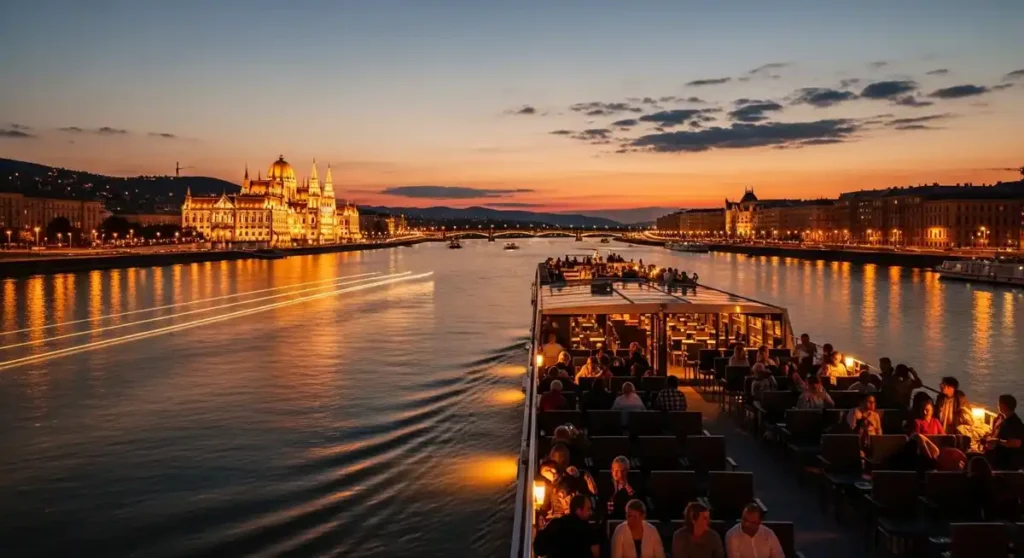
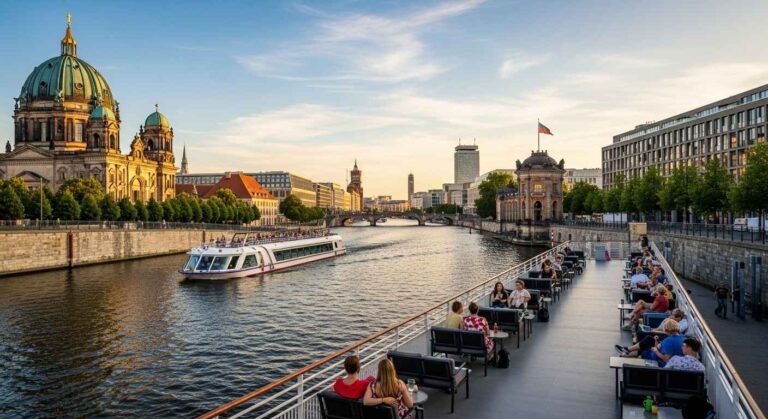
When you join a night cruise on the Danube River, the water sparkles under the lights of Budapest.
The illuminated landmarks such as the Hungarian Parliament, Buda Castle, and Chain Bridge create a view that feels truly magical.
Soft music, tasty drinks like champagne, wine, or beer, and a warm multi-course dinner make the evening even more special.
Each cruise often includes guided commentary or audio guides in many languages, sharing stories about the city’s history and architecture.
Some have gentle piano tunes or a cheerful folklore show as part of the entertainment.
You can easily find these evening cruises through online platforms or trusted cruise operators, offering sightseeing tours that blend comfort, culture, and beauty in one unforgettable experience.
18.Visit the House of Terror Museum
The House of Terror Museum, also known as Terror Háza Múzeum, is one of Budapest’s most fascinating and educational places to explore.
Set in a historic building at Andrássy Avenue, this museum opened on 24 February 2002 under the guidance of Mária Schmidt, its director general.
It’s a member organization of the Platform of European Memory and Conscience and attracts visitors from around the world, including Zbigniew Brzezinski, Francis Fukuyama, and Hayden White.
Inside, the exhibits and rooms present Hungary’s 20th-century journey through fascist and communist regimes in a way that educates and inspires.
Each part of the museum encourages learning about national history and reflection on shared European experiences.
With the help of an audio guide, App, or printed material, you can enjoy a self-paced overview of these times from a Hungarian perspective.
Visitors often find it a powerful, moving, and fascinating experience.
The House of Terror connects stories from Nazi Germany and the Communist Soviet era, offering insight into how Hungary shaped its modern identity.
Entry costs just a few Forints (USD), and spending about 2 hours here ensures a meaningful and memorable visit.
19. Explore Memento Park (Communist history)
Walking through Memento Park in Budapest feels like stepping into a living museum of history.
This open-air museum features statues and monuments from Hungary’s Communist era, carefully preserved to help people understand the nation’s journey.
The park displays large-scale pieces of famous figures such as Lenin, Marx, and Engels, along with symbolic sculptures like the Hungarian-Soviet Friendship monument and the Soviet soldier that once stood on Gellért Hill.
Visitors can also explore a replica of Stalin’s Grandstand, see a vintage Trabant car, and enjoy the cinema that shows historic training films and a photo exhibition capturing communist life.
Created in 1993 after the fall of the communist system, Memento Park (Szoborpark) was designed by Ákos Eleőd, a talented Hungarian architect chosen by the Budapest General Assembly (Fővárosi Közgyűlés) in 1991.
It is also known as Memorial Park or Statue Park, and it holds monumental statues and sculpted plaques that highlight the nation’s story in a creative, educational way.
Today, this thematic museum in Central Europe offers a complex experience for all ages.
Visitors can explore the Barrack Cinema, Photo Exhibition, Stalin’s Grandstand, and Storage Showroom.
The park has become a favorite leisure and excursion destination in southern Buda, where art and history come together beautifully.
It is a place that celebrates understanding, remembrance, and the lasting power of learning from the past.
20. Enjoy street food at Gozsdu Courtyard
In the heart of Budapest, the Gozsdu Courtyard is a joyful mix of food, music, and culture.
During the Easter holidays, this lively place shines with colorful atmosphere and local charm.
The Easter Market here is one of the most loved markets in the city, held annually in this trendy neighbourhood.
Visitors can enjoy traditional Easter crafts, modern Hungarian products, and fun entertainment while tasting delicious market food.
Walking through the Jewish Quarter, you’ll find the Gozsdu Courtyard full of life.
The arcaded courtyards, lined with cozy restaurants, cafes, and bars, create a warm atmosphere.
Street artists, community events, and the gentle sounds of music fill the air, making every visit memorable.
The StoryHunt audiowalk even lets you explore the history and hidden stories of Budapest.
For foodies, this is a dream spot. The Gozsdu dining scene features local favorites like Spíler Original with gourmet burgers and Hungarian craft beers, Jamie Oliver’s Pizzeria serving Italian dishes made with fresh ingredients, and the cozy Blue Bird Café known for artisan coffee, brunches, and sweet cakes. Every bite celebrates Hungary’s culinary heritage.
On weekends, the Gozsdu Weekend Market turns into a lively gathering. Vendors offer artisanal goods, produce, and handmade crafts.
The air fills with the scent of street food, and the energy of locals and tourists creates a true Budapest spirit.
In the evening, the open-air courtyard of Gozsdu Udvar comes alive with pubs, bars, and live music.
Whether enjoying cocktails at Vicky Barcelona or sharing pizza and beers at Klikk Bistro Bar, every moment at Gozsdu Courtyard feels full of warmth and joy.
21. Ride Tram No. 2 – Europe’s most scenic tram
The scenic route of Tram No.2 in Budapest is like a journey through living history.
As it rolls beside the Danube River, travelers can admire Europe’s most beautiful landmarks—the shining Parliament Building, elegant Chain Bridge, and majestic Buda Castle.
Every turn along the route reveals new sights that capture the heart of the city.
This iconic tram is part of Budapest’s public transport service, so you can hop on with a simple ticket and enjoy an efficient, budget-friendly, and scenic ride.
As it passes the Liberty Bridge, Gellert Hotel, and historic Baths, the views are nothing short of magical.
During Christmas, the Light Tram sparkles with decorated lights, turning an everyday journey into a festive adventure.
The tram connects both Pest and Buda, offering front-row views of attractions along the Danube embankment.
Whether you’re a tourist or a local, it’s a must-ride experience that captures the charm of Budapest.
From Margaret Bridge to Jászai Mari tér, this panoramic journey shows the city at its finest—rich in culture, full of color, and open to everyone.
22. Explore the Budapest Labyrinth beneath Buda Castle
Walking through the Buda Castle District, visitors find the Unique and Amazing Labyrinth, hidden beneath Buda Castle Hill near the Danube River.
The Labyrinth is part of a vast cave system and underground network formed over centuries.
With smooth stone staircases, winding tunnels, and cool caverns, it invites travelers to step into a living piece of Budapest’s history.
The Buda Castle Labyrinth once served as a royal residence, fortress, and refuge during ancient wars. Inside, visitors see rock formations, chambers, and artifacts that reflect its medieval past.
The concrete walls and old cellars reveal how the space evolved from bomb shelters to a historical landmark recognized by UNESCO World Heritage.
Today, the site welcomes guests to enjoy guided tours, self-guided experiences, and themed tours like the popular Vampire Night Tour.
Whether you come to admire the displays, learn about royal power, or simply wander through the softly lit maze, every journey here feels like a true adventure through time—one that makes every explorer feel part of Budapest’s legendary past.
23. Visit the House of Houdini Museum
Tucked beside the Buda Castle in Budapest, the House of Houdini Museum brings the magic of Harry Houdini to life.
Visitors can explore the story of the legendary illusionist through fascinating exhibits, stunning shows, and authentic memorabilia.
The museum’s charming location in Hungary’s Castle District adds to its mysterious and elegant atmosphere, making it a must-see for both locals and travelers.
Inside, the museum’s collection features rare handcuffs, straitjackets, vintage posters, books, and personal letters that belonged to Houdini.
Guests can also admire the famous Water Torture Cell, a tribute to his daring performances, and enjoy engaging interactive programs in the showroom where young magicians display their skills.
The venue at Dísz Square serves as a creative meeting point for lovers of the art of magic from across Europe and the world.
Live performances at the Orpheum theater and the enchanting Saloon add to the museum’s vibrant energy.
With every visit, guests experience a perfect blend of entertainment, artistry, and historical preservation — making the House of Houdini Museum a true treasure for fans of magic and wonder.
24. Sample Hungarian wine & goulash at a local market
Visiting a local market in Budapest is a wonderful way to experience real Hungarian culture.
Inside the Central Market Hall, the air is filled with the smell of smoky paprika and freshly cooked goulash.
Vendors offer samples of soups, sausages, and pastries made with local ingredients.
The gulyás, a hearty beef soup with potatoes, onions, and a rich paprika spice, has a warm and savory flavor that feels like home.
Alongside the food, you can enjoy wine tastings of fine Hungarian wines.
Try sweet Tokaji dessert wine or deep red vintages that pair perfectly with the goulash.
Many food and wine tours in Hungary let you taste, learn, and explore the authentic specialties that make the country famous.
Whether you’re a tourist or a food lover, these markets offer a colorful mix of flavors, tradition, and culinary experiences you won’t forget.
25. Take a day trip to Szentendre (art village)
Just a short ride from Budapest, Szentendre is a beautiful art village that feels like stepping into a painting.
Its cobblestone streets lead to baroque-style houses, studios, and art galleries filled with the work of young artists.
The town’s Artists’ Village charm makes it a favorite for anyone who loves culture, art, and creative inspiration.
Walk through the Old Town and discover open-air exhibitions, souvenir shops, and delightful outdoor cafés.
Try traditional Hungarian treats like lángos, palacsinta, and crepes while enjoying the lively atmosphere.
Each corner of Szentendre tells a story through local crafts and colorful design.
Visit the Hungarian Open Air Museum, the Szamos Marzipan Museum, and the Kovács Margit Museum to explore the town’s rich heritage.
Don’t miss the panoramic views from the hills overlooking the Danube-side—it’s one of the best photo spots around.
You can reach Szentendre easily by train, boat, or bus.
Many travelers enjoy a half-day tour with a private guide who shares local history, architecture, and culture in several languages.
The relaxed pace, picturesque banks, and friendly atmosphere make this small destination perfect for tourism and exploration.
A trip to Szentendre is not just sightseeing—it’s an experience of Hungarian art, heritage, and creativity that stays with you long after you return to Budapest.
Seasonal & Monthly Guides to Budapest
A. Things to Do in Budapest in Winter (Dec–Feb)
Winter turns Budapest into a wonderland filled with twinkling lights, steaming thermal baths, and charming cafes.
From December to February, each month has its own magic — from Christmas markets to peaceful river cruises. Here’s how to enjoy the best of the season in every winter month.
Things to Do in Budapest in December
Budapest in December feels like a Christmas dream. The air is crisp, and the streets glow with lights and joy.
- Visit the Christmas markets near St. Stephen’s Basilica and Vörösmarty Square. Try sweet food, buy local crafts, and enjoy the festive songs.
- Go ice skating at the City Park Ice Rink, surrounded by the fairy-tale Vajdahunyad Castle.
- Explore Buda Castle and the Fisherman’s Bastion for magical panoramic views of the snow-covered city.
- Stop by the New York Cafe for warm coffee and delicious cake.
- Take a river cruise along the Danube to see the Hungarian Parliament and Basilica shining at night.
December is all about lights, music, and festive experiences — the perfect time to start your trip.
Things to Do in Budapest in January
January brings quiet beauty to Budapest. The crowds fade, and you can truly feel the city’s calm charm.
- Relax at the Széchenyi Thermal Baths, one of the largest in Europe. Soak in the warm thermal water as snowflakes fall around you.
- Visit the Gellért Baths or other thermal baths for a relaxing spa day.
- Explore museums like the Hungarian Agricultural Museum or see a performance at the Hungarian State Opera House.
- Walk through Buda Castle and visit the National Széchényi Library for a quiet afternoon of culture and history.
- Dine in cozy restaurants and enjoy Hungarian dishes — perfect for the cold weather.
January is peaceful and warm inside — a time for relaxation, wellness, and local culture.
Things to Do in Budapest in February
By February, Budapest begins to buzz again as winter slowly softens. It’s still cool, but full of life.
- Take part in winter festivals and concerts happening around the city.
- Go for one last ice-skating session before spring at Varosligeti Mujegpaly.
- Visit the Central Market Hall to shop for local products, food, and handmade gifts.
- Capture romantic photos of snow-dusted streets and the glowing castle views.
- End your day with a soothing bath at Széchenyi or a fine meal at a restaurant near the river.
February in Budapest is full of warmth, love, and travel moments you’ll remember long after your vacation ends.
Perfect for:
Anyone who wants to explore, relax, and enjoy a true European winter experience in Hungary — whether it’s your first trip or your fifth, Budapest makes every winter feel special.
B. Things to Do in Budapest in Spring (March–April)
Budapest in spring (March–April) is full of color, culture, and charm.
With pleasant weather, blooming cherry blossoms, and lively festivals, it’s the best time for walking along the Danube, exploring Buda Castle, and enjoying Easter celebrations and the Budapest Spring Festival.
Visitors can relax in thermal baths, visit historic attractions, and experience the city’s vibrant outdoor life as it awakens after winter.
Things to Do in Budapest in March
March brings the first signs of spring to Budapest.
The weather starts to get mild, making it great for outdoor activities like walking or cycling along the Danube River.
You can explore parks, enjoy the views from Buda Castle, or take a stroll through the Castle District and the Jewish Quarter.
This is also the time for the Budapest Spring Festival, where classical music, opera, and jazz performances fill the city with cultural excitement.
The national holiday on March 15 brings concerts, art exhibitions, and festivities for all ages.
Visit St. Stephen’s Basilica for its magnificent architecture or the Central Market Hall for local food and handmade goods.
Every walk through Budapest in March feels like discovering a new treasure.
Things to Do in Budapest in April
April is when Budapest truly blooms. The cherry blossoms, tulips, and roses turn the city into a fairy-tale garden.
Take a picnic on Margaret Island, wander the Buda Arboretum, or visit the ELTE Botanical Garden during the Sakura Festival, which features Japanese music, games, and language classes.
Easter celebrations fill the streets and markets with color.
Visit the Spring & Easter Market in downtown Budapest, where locals and visitors gather to enjoy food, drinks, and cultural events.
If you want to unwind, try a thermal bath—a favorite Budapest tradition.
The Parliament Building and Fisherman’s Bastion are must-see attractions, offering stunning views across the Danube.
As the days grow longer, Budapest becomes even more inviting.
Outdoor concerts, festivals, and markets bring life to every corner of the capital.
Whether you’re cruising the river, sipping coffee on a terrace, or joining a local tour, Budapest in spring offers countless ways to enjoy each sunny day.
C. Things to Do in Budapest in Autumn (October–November)
Budapest in Autumn (October–November) is full of color and charm.
You can see stunning landmarks like Buda Castle, Fisherman’s Bastion, and the Parliament Building, relax in warm thermal baths, enjoy festivals, go on a Danube River Cruise, and walk through parks with golden foliage.
October brings lively Oktoberfest and art events, while November offers cozy cafes, rich culture, and magical city lights.
Things to Do in Budapest in October
October in Budapest is bright and cheerful. The weather is warm with a touch of Indian summer called vénasszonyok nyara.
I love walking through Buda Castle and Fisherman’s Bastion when the sunny light shines on the river.
The views are panoramic, and the cityscape feels alive with architecture and heritage.
October is full of fun programs.
The Oktoberfest brings happy crowds, beer, music, and street food at places like Fröccsterasz, Margaret Island, and Corvin Palace.
There are also art festivals, concerts, and Halloween parties that make the month joyful.
Every festival fills the city with laughter, culture, and good food from local specialties.
When I get tired from sightseeing, I stop at a traditional cafe for coffee and cake.
The atmosphere is cozy, and the warmth feels perfect. The autumn colors outside and the smell of coffee inside make the day sweet.
Things to Do in Budapest in November
November feels peaceful and full of magic. The autumnal hues cover City Park and Vajdahunyad Castle, and the Danube River sparkles between Buda and Pest.
The temperature is crisp, and the foliage is still bright. It’s the perfect time for sightseeing and enjoying the city’s culture and architecture.
I like to take a Danube River Cruise in the evening.
The Parliament Building and Chain Bridge look illuminated and beautiful.
The Light Art Museum, the House of Terror Museum, and the Hungarian National Museum are wonderful for indoor fun.
There are also festivals like the Liszt Fest International Cultural Festival that fill the city with music and art.
If you want to relax, the Széchenyi and Gellért thermal baths are perfect.
The warm water and gentle steam give peace and rejuvenation. You can rest, enjoy tranquility, and feel refreshed.
Budapest celebrates its birthday in November with lovely programs, culinary delights, and joyful celebrations.
The city lights, architecture, and heritage make every moment special.
It’s also the time to enjoy outdoor walks on Gellért Hill or Margaret Island among bright foliage and soft autumn colors.
Practical Travel Information for Budapest
When to visit Budapest (best months, weather by season)
The best time to visit Budapest is from March to May and September to November.
These months bring pleasant weather, mild temperatures, and fewer crowds, making them ideal for sightseeing, festivals, and outdoor activities.
Spring (March – May)
Spring in Budapest is bright and pleasant. The weather feels mild with blooming flowers across the City Park and Buda Hills.
Days in April and May are comfortable, and rainfall is light enough to enjoy walking around.
This season brings exciting cultural events, including the Spring Festival and the Hungarian National Day on March 15th.
It’s the perfect time for sightseeing before the summer crowds arrive.
Summer (June – August)
Summer is warm, lively, and full of energy. The weather stays sunny, and temperatures often exceed the 80s, creating a wonderful vibe for festivals like the Danube Folk Carnival and the Sziget Music Festival. Budapest glows with outdoor fun, open-air concerts, and evening walks by the Danube River. It’s a great season to experience the city’s festive charm and enjoy the long sunny days.
Fall (September – November)
Autumn brings soft skies, golden foliage, and a peaceful atmosphere.
The temperatures remain moderate, perfect for exploring landmarks without crowds.
You can enjoy the grape harvest, local markets, and music at the Palace of Arts.
September and October are often called the most pleasant months of the year in Budapest, ideal for sightseeing and enjoying the seasonal charm.
Winter (December – February)
Winter adds a magical touch to Budapest. Snow and frost decorate the streets, while holiday markets and Christmas lights create a festive mood.
You can go ice skating at open-air rinks and sip warm drinks under twinkling lights.
Though the air feels crisp, the city’s warm spirit makes it an idyllic season to visit, with wonderful activities and cozy vibes.
How many days to spend in Budapest (1–7 day itineraries)
Spending 3 to 4 days in Budapest is ideal to see the main attractions at a comfortable pace, while 5 to 7 days allows for deeper exploration, day trips to towns like Szentendre, Visegrád, and Esztergom, and time to relax in the city’s thermal baths and enjoy its local culture.
Day 1: Budapest Highlights
Start at Castle Hill to see Fisherman’s Bastion, Matthias Church, and Buda Castle.
Walk across the Chain Bridge to the Parliament Building and admire the city views over the Danube.
End the day soaking in a thermal bath experience at Széchenyi Baths for a perfect introduction to the city.
Day 2: Exploring Pest
Discover the Jewish Quarter, the Great Synagogue, and enjoy a self-guided walk through Leopold Town and Downtown Pest.
Stop by the Central Market Hall for coffee and local treats, then visit Heroes’ Square and City Park using the Metró.
Day 3: Art, Architecture & Culture
Tour the Opera House, House of Terror, and Memento Park. Enjoy a Danube River cruise in the evening to see the Parliament and bridges beautifully lit up.
Day 4: Day Trip to Szentendre
Take a short train ride to Szentendre, a colorful riverside town known for its artists, folk art, and charming cobbled streets.
Visit the Open-Air Ethnographic Museum, explore handicraft workshops, and taste local wines.
Day 5: Discover Visegrád & Esztergom
Visit Visegrád, home to the Palace of King Matthias and the Citadel with breathtaking views of the Danube Bend.
Continue to Esztergom, one of Hungary’s oldest towns, to see the grand cathedral and Royal Palace.
Day 6: A Day in Győr
Head to Győr, the City of Waters, where three rivers — Mosoni-Duna, Rába, and Rábca — meet. Explore its baroque architecture, charming old town, and relaxing thermal spas.
Day 7: Lake Balaton Adventure
End your journey at Lake Balaton, known for its resorts, beaches, and vineyards.
Visit Keszthely to see the Festetics Palace, then unwind at Lake Hévíz, the world’s largest thermal lake, with medicinal muds and warm waters year-round.
With one week in Budapest and its surroundings, you can balance history, culture, and relaxation beautifully.
Every corner of the city and its nearby towns offers something memorable — from majestic architecture to peaceful riverside walks and rejuvenating thermal baths.
Getting around in Budapest
Budapest is one of Europe’s most convenient cities to explore.
Whether you prefer public transport, walking, or cycling, you’ll find every option smooth and simple to use.
The city is clean, safe, and designed for easy travel between its main sights.
1. Public Transport
The public transport system in Budapest is run by BKK and includes buses, trams, and the metro.
It connects all major areas of the city. You can buy a single ticket, a travel card, or a Budapest Card for unlimited rides.
The BudapestGo app helps you plan your journey, buy tickets, and check real-time routes.
Trams and buses run all day, while some night services operate after midnight, keeping travel easy anytime.
2. Metro System
Budapest’s metro is the oldest underground in continental Europe and one of the most charming ways to travel.
The Metro Line 1, known as the Yellow Line, is a UNESCO World Heritage Site that runs from Vörösmarty tér to City Park under Andrássy Avenue.
Other lines—2, 3, and 4—connect Buda and Pest, reaching major stations like Keleti, Kálvin tér, and Déli pályaudvar. Trains are frequent, quick, and well-maintained.
3. Walking Around
Budapest is wonderfully walkable, with wide streets, beautiful architecture, and cozy cafes at every corner.
Strolling along the Danube Banks gives stunning views of bridges and landmarks.
The city center is safe for pedestrians, and exploring on foot often reveals hidden gems tucked between backstreets and cafés.
4. Biking and Scooters
If you enjoy cycling, Biking in Budapest is a joy. The city is cycle-friendly with many bike paths and Danube-side routes.
You can rent from the MOL Bubi stations using the app, paying per minute and returning the bicycle to any nearby station.
There are also electric scooters across the city for quick and fun rides.
5. Taxis, Ride-Sharing, and Boats
For more comfort, you can use official taxis or ride-sharing apps like Uber.
Boats also run on the Danube River, offering a scenic way to travel during summer.
Whether you are heading from the airport or between districts, options like bus 200E make your journey smooth and affordable.
Getting around Budapest blends convenience, beauty, and value. Whether you zip through the metro, cycle past the Danube, or walk through elegant avenues, each route adds to the charm of exploring Hungary’s vibrant capital.
Currency, tipping, and payment tips in Budapest
In Budapest, the currency is the Hungarian Forint (HUF). Most places accept cash, credit/debit cards, and mobile payments.
A 10–15% tip is common in restaurants, taxis, and for tour guides. Always check if a service charge (szervizdíj) is already added to the bill before tipping.
1. Currency in Budapest
The Hungarian Forint (HUF) is the official currency of Budapest. It’s good to carry smaller bills for easy payments and tips.
While credit and debit cards like Mastercard and Visa are widely accepted, some small shops and cafés may prefer cash.
Mobile payment apps such as Google Pay and Apple Pay are also convenient for travelers.
Having both cash and a card gives you flexible payment options during your trip.
2. Tipping Customs
In resturants, it’s customary to leave a 10–15% tip for good service. Always look at the bill to see if a szervizdíj or service charge is already included.
If it is, no extra tip is needed. For taxis, rounding up the fare or adding about 10% is polite.
Hotel housekeeping usually receives 500–1,000 HUF per day, placed on the desk or pillow. Tour guides also appreciate a small tip for a pleasant experience.
3. Payment Tips and Local Advice
You can pay by card or cash, whichever is easier. Many travelers prefer cash for tipping so the service staff receive it directly.
If paying by card, you can simply add the tip to your total—just like in the U.S.
To make spending easier and avoid exchange costs, consider using a Wise Multi-Currency Card.
It helps you save and manage payments smoothly while visiting Budapest.
Budapest’s locals are friendly, and following these simple customs makes every travel experience more enjoyable.
Safety & local etiquette in Budapest
Budapest is a safe city with a warm and tourist-friendly vibe.
You can walk around its beautiful streets and enjoy nightlife, ruin bars, and clubs without worry.
It’s always good to stay mindful of your belongings, especially in crowded areas or tourist spots.
Keep your wallet, purse, and camera secure, use official taxis, and trust your common sense while exploring.
The crime rates are lower than the continental average, and help is easy to reach by calling 112 for police or ambulance if needed.
Understanding local etiquette makes your stay even smoother.
On public transport, people prefer to stay quiet, so avoid loud conversations or phone calls.
When using escalators, stand on the right side and let others pass on the left.
Smoking is not allowed in indoor public spaces, transport stops, or within five meters of building entrances, as no-smoking rules are strict and respected.
It’s polite to offer seats to elderly passengers, pregnant women, and those with disabilities.
In restaurants, a 10% tip is customary, though sometimes the service charge is already included in the bill.
While toasting, locals usually avoid clinking glasses with beer, following a long-held tradition.
Don’t miss the city’s famous thermal baths — remember, a swimming cap is required in swimming pools, but not in the thermal baths themselves.
Conclusion
Budapest transcends the typical city break, offering an extraordinary and affordable journey into a world where history and modern fun exist in perfect, vibrant harmony.
From the awe-inspiring Neo-Gothic magnificence of the Parliament Building and the healing waters of the Szechenyi Baths, to the poignant history captured at the Shoes on the Danube Bank and the vibrant chaos of the ruin bars, every corner holds a memorable discovery.
This city is a dynamic tapestry woven with imperial architecture, world-class cuisine, and neighborhoods bursting with local character.
Whether you are traversing the scenic route of Tram No. 2 or enjoying a decadent moment at the New York Café, Budapest gifts every traveler a treasure trove of incredible experiences and favorite things.
It’s an intoxicating blend of beauty and depth that firmly establishes it as a brilliant, must-visit European destination. Don’t just travel—live the magic of Budapest.
FAQs About Visiting Budapest
Is 3 days in Budapest too much?
Three days is not too much in Budapest. You can easily fill three days by seeing the unique attractions, gorgeous historical sites, and famous bridges. Every traveler finds memorable experiences and travel highlights in this remarkable city.
What is the number one thing to do in Budapest?
The number one thing to do in Budapest is admire the Hungarian Parliament Building, known as one of Europe’s most beautiful landmarks. Visitors enjoy inside tours and seeing its grandeur and golden glow from the Danube River.
What is Budapest best known for?
Budapest is best known for its unique thermal baths fed by natural springs, which offer a perfect place to relax. The city is also famous for its grand historical sites and the beautiful Danube River.
What to do in Budapest in 5 days?
In five days, you can explore the city’s rich history and culture, relax in the thermal baths, taste amazing traditional Hungarian dishes, and enjoy the lively nightlife like the ruin bars. You can also visit beautiful sites like Buda Castle and St. Stephen’s Basilica.
What is Budapest famous for?
Budapest is famous for its stunning architecture, vibrant culture, and its historic thermal baths. The city offers a perfect balance between its historic past and modern fun, making it an unforgettable place to visit.
What should I avoid doing in Budapest?
The provided content focuses on the many wonderful things to do in Budapest, such as enjoying gastronomy, exploring historic streets, and visiting unique attractions. You should focus on these positive experiences and not worry about negative things to avoid.
Is Budapest expensive for tourists?
Budapest is not expensive for tourists; the city offers a perfect mix of affordable experiences and special moments. This makes it a great value, giving travelers countless reasons to include it in their travel plans.
Are Budapest baths worth it?
Yes, Budapest baths are absolutely worth it; places like the Szechenyi Thermal Baths are world-famous gems. The warm mineral water and beautiful buildings create a perfect place to relax and enjoy pure wellness.
Disclaimer
The information on traveldrizzle.com is for general guidance only. While we aim for accuracy, all travel decisions and reliance on this content are strictly at your own risk.